Something shifts after retirement that is easy to miss if you are not looking for it. The structure that work provided disappears. And in the space it leaves, something else becomes possible: the choice to spend time on whatever is genuinely interesting.
For many women over 60, that choice leads back to things that were set aside decades earlier. Games that seemed too involved to learn during busy years. Books left unread. A Blue Mahjong Learning Mat sitting in a shop and prompting the thought: maybe now. Retirement does not just offer leisure — it offers the conditions that make real learning possible again.
Why Learning Feels Different After 60
The hobbies picked up after retirement tend to be more satisfying than the ones attempted during busier periods. They are chosen freely, without pressure to progress at any particular speed, and without an audience to perform for.
Research supports what experience already suggests: staying mentally active through games, reading, and social engagement is associated with better cognitive health and lower rates of depression in older adults. Mahjong sits at an interesting intersection of all three. It requires strategy, memory, and attention. It is inherently social — the game needs four players and produces genuine interaction across every hand. And it deepens with continued play rather than becoming repetitive.
This is not a coincidence. Games that require genuine thought, conversation, and the reading of other players produce a level of engagement that passive leisure cannot replicate. The cognitive and emotional benefits compound over time in a way that makes a regular game night one of the more valuable habits a woman over 60 can build into her week.

The Intimidation Problem
The most common reason women hesitate to try Mahjong is not lack of interest. It is the fear of slowing the group down during the learning phase — of being the person who has to ask how the tiles work while everyone else is already playing.
That hesitation is real, and it is solvable. A Blue Mahjong Learning Mat removes the guesswork from the early sessions by building the learning directly into the playing surface. Tile placement guides, hand-building references, and scoring reminders are there whenever a player needs them — not as a separate resource to consult, but as part of the game itself.
The result is that beginners keep pace with experienced players without constant interruption. The group stays in rhythm. The newer player stays engaged rather than anxious. And the game improves faster for everyone, because the learning happens inside the experience rather than alongside it.
More Than a Mat
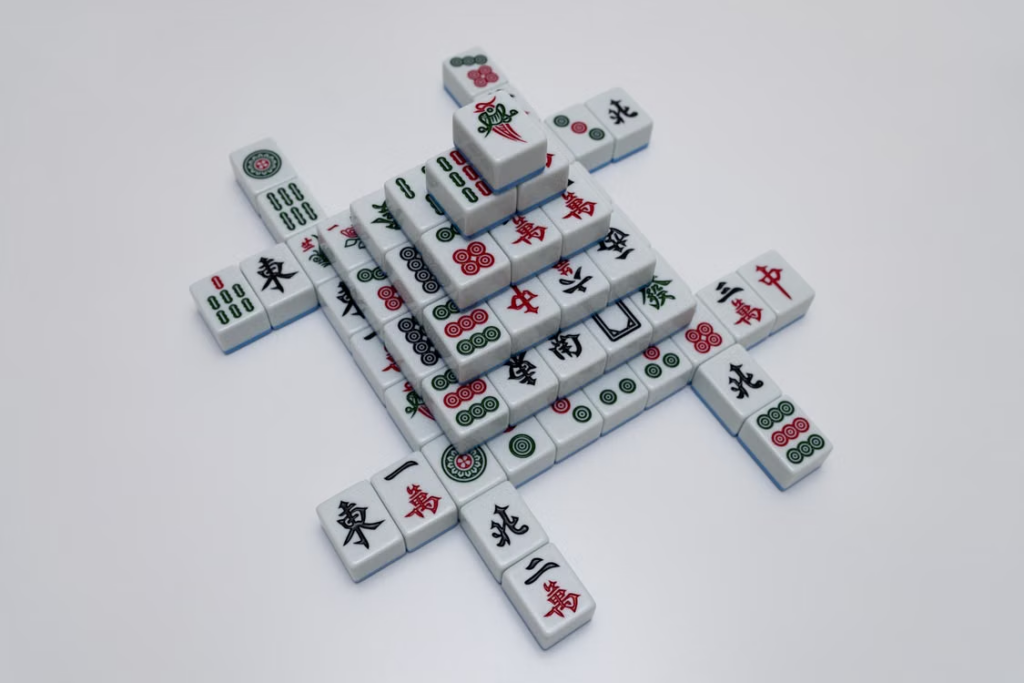
Used as a dedicated Mahjong Mat for Table play, the benefits extend beyond the learning aids. The non-slip surface keeps tiles from drifting. The soft texture reduces the noise of shuffling and placing, which makes conversation easier and the evening more relaxed. The protective backing means no scratches and no concern about which table is used.
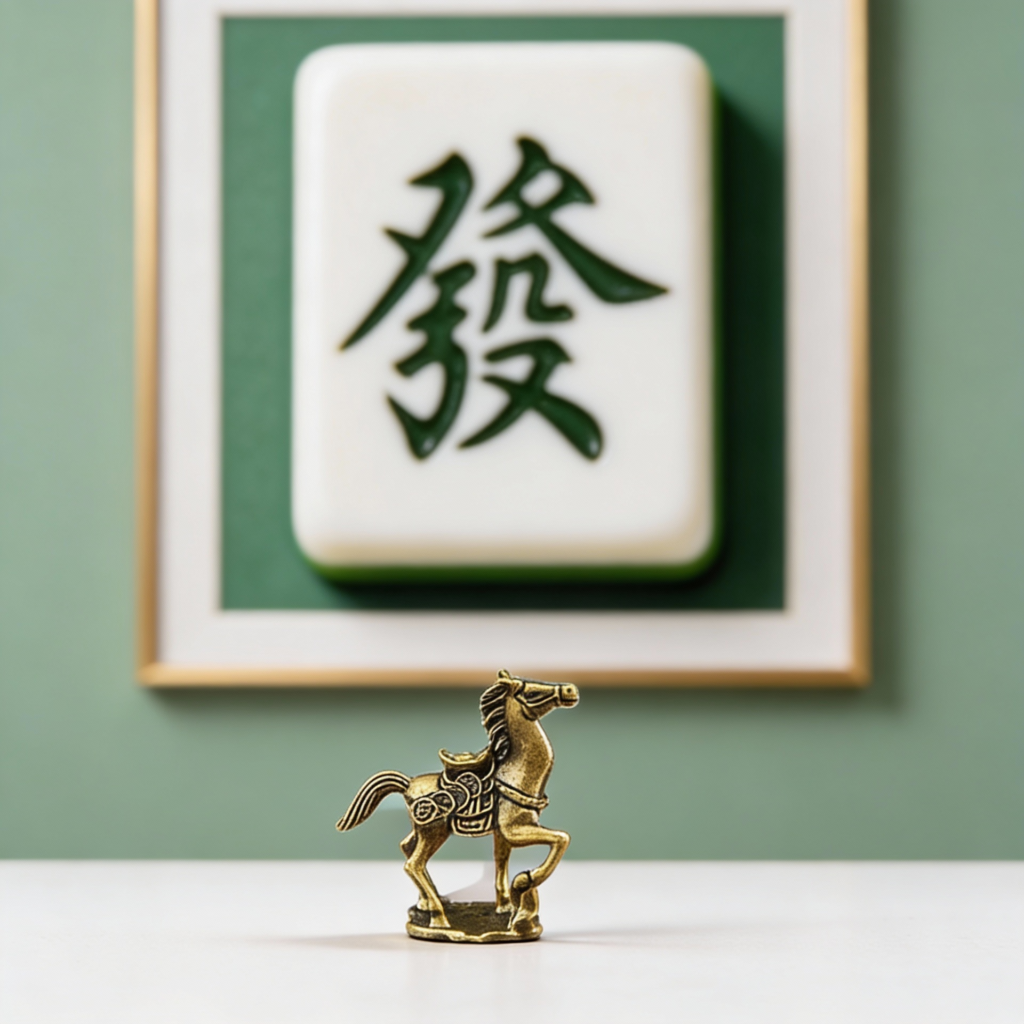
For anyone setting up a regular game night, the brass horse figurines for Mahjong racks add a considered finishing detail — the kind of small addition that signals the game is taken seriously and the evening is worth preparing for. These are the touches that turn a casual gathering into something people look forward to returning to week after week.
The Social Dimension
Mahjong requires exactly four players, which gives it a built-in social structure that most other hobbies do not have. For women who have found that their social calendar thins out after retirement — once the daily contact of a workplace disappears — a weekly game night solves a real problem, quietly and reliably.
It gives friends a specific reason to gather at a specific time. It provides enough structure that the evening does not depend on any one person to carry the energy. And a Mahjong Mat for Table play, set up and ready, removes any friction from saying yes when the invitation arrives. The mat signals preparation. Preparation signals care. And care is what makes people want to come back.
Learning Takes Many Forms
The return to learning after 60 is not limited to games. A novel that demands genuine attention — like The Elements by John Boyne — is another form of the same thing: sustained engagement with something that requires thought and rewards patience.
What these pursuits share is that they produce a sense of progress and a reason to return. The Blue Mahjong Learning Mat is one example of how the right starting point changes a new pursuit from overwhelming to genuinely enjoyable. The principle applies across almost any learning endeavour: reduce the friction of the early phase, and what follows has the chance to become something that lasts.
What the First Few Sessions Are Actually Like
The first session is rarely smooth. Tiles get confused. Hands are built incorrectly. Someone draws when they should discard. This is entirely normal, and it is also temporary. The mat shortens this phase by keeping the most common questions answered at a glance. By the third or fourth session, the game starts to feel genuinely familiar. By the sixth, most beginners are no longer beginners in any meaningful sense.
And most of them say the same thing at that point: they wish they had started sooner. That is the reliable outcome of giving a new pursuit the right starting conditions — not overnight mastery, but steady, enjoyable progress that makes the next session something to look forward to rather than something to approach with apprehension.
Find What You Need to Begin
At Grateful After 60, the focus is always on making new starts feel manageable. Game-night essentials — including the Blue Mahjong Learning Mat and the brass Mahjong rack figurines — are available on the shop page. If there are questions about getting started, get in touch — always good to hear from you.